How to Understand the Mainstream EV Charging Interface Standards in Europe
It is well-known that electric vehicles are equipped with a variety of charging interface types, whose specifications are governed by regional regulations and vehicle models. This article will resolve any ambiguities you may have on the topic. First and foremost, I will clarify this for you by region-specific classification.
EV Charging Port Standards in Europe
1.Type 2 (Mennekes) Interface
Interface Images on the Vehicle
Photos of Our Charging Gun Interfaces
This is the mainstream AC slow-charging standard in Europe and has been established as the EU’s AC charging interface standard based on the IEC-62196 specification. It features a 7-pin design, supports both single-phase and three-phase AC charging, with a maximum output power of 22kW under normal conditions and a theoretical peak of 43kW. It also comes with an automatic locking mechanism, making it ideal for home charging and public slow-charging scenarios for European users.
Virtually all electric vehicles sold in Europe are equipped with this interface for slow charging, including mass-produced models from major European brands such as Volkswagen’s ID series, BMW’s i series, Mercedes-Benz’s EQ series, and Audi’s e-tron series. Even the European versions of the Tesla Model 3/Y are compatible with the Type 2 interface for daily slow charging.
2.CCS Type 2 Interface
Interface Images on the Vehicle
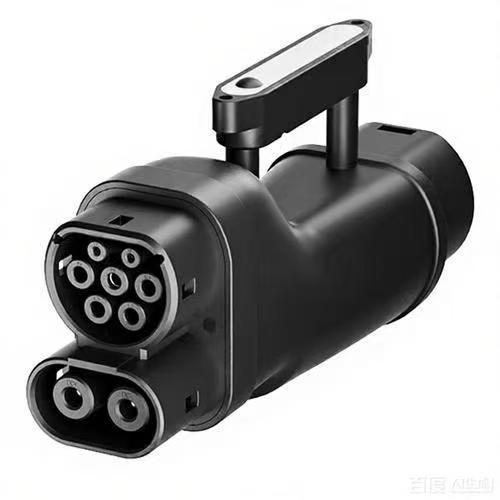
Photos of Our Charging Gun Interfaces
As the mandatory DC fast-charging standard in the EU, it is developed by adding two extra DC fast-charging pins to the Type 2 interface. This “combined” design allows a single interface to meet both AC slow-charging and DC fast-charging needs. Its maximum charging power can reach 350kW, and some high-power charging piles can even support up to 500kW, enabling the vehicle to replenish hundreds of kilometers of range in 15-20 minutes. It is the core standard for long-distance travel charging in Europe.
This interface comes as standard on all new energy vehicles sold in Europe. In addition to the aforementioned European luxury and mass-market brand models, Tesla’s European-spec vehicles have been equipped with the CCS Type 2 interface as standard since the Model 3; earlier Tesla Model S and Model X can also achieve CCS Type 2 fast charging via adapters or component replacement.
3.CHAdeMO Interface
Interface Images on the Vehicle
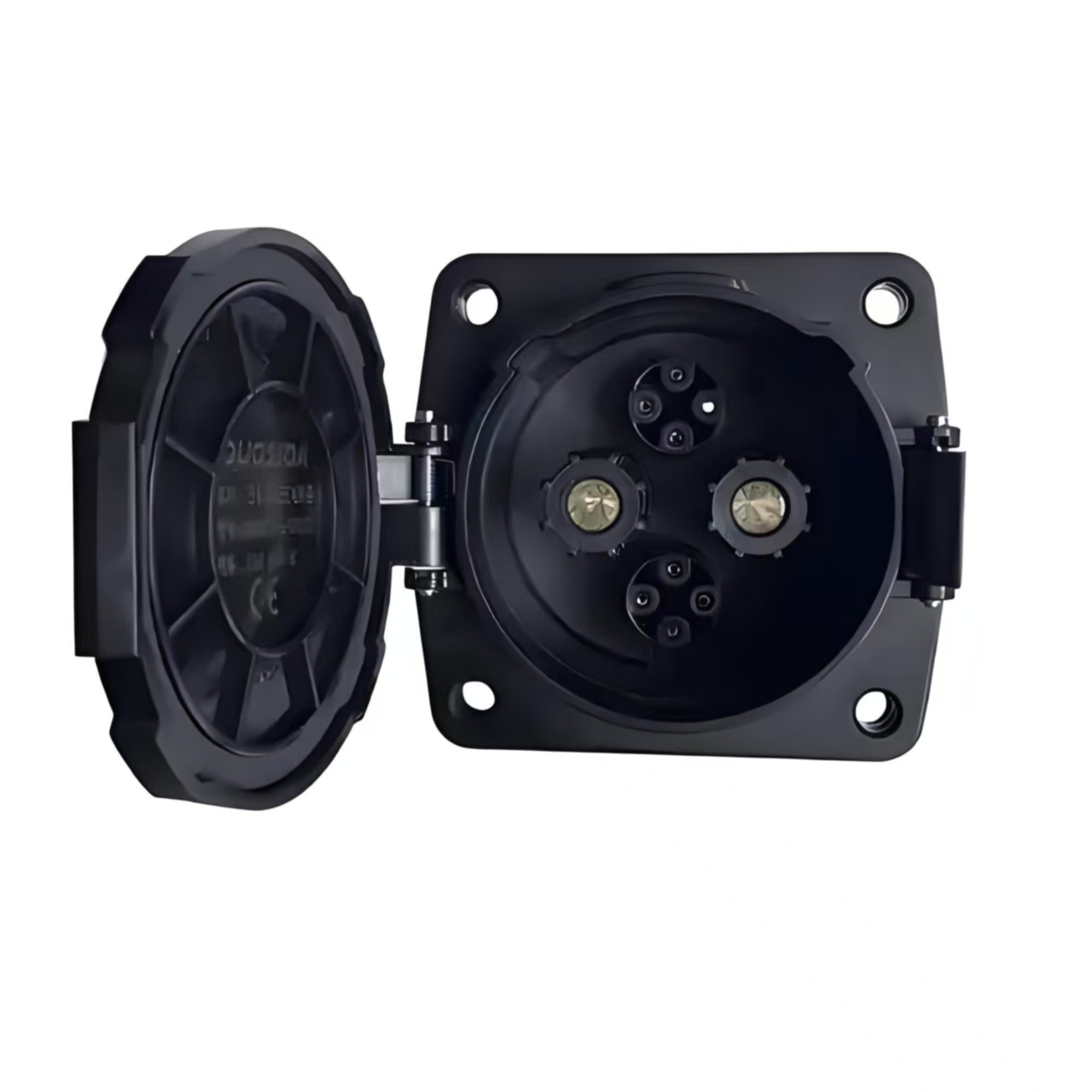
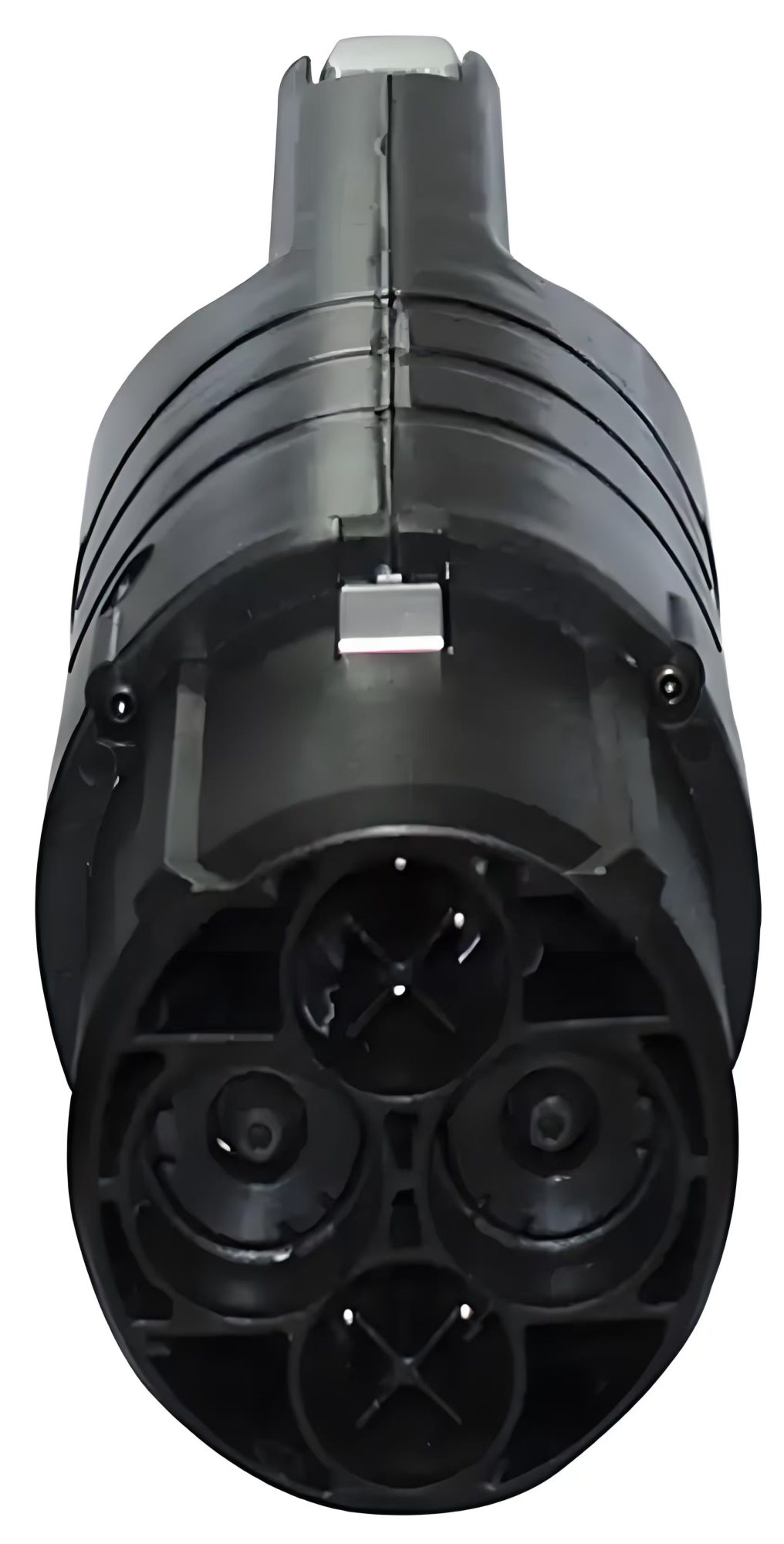
Photos of Our Charging Gun Interfaces
This is a DC fast – charging standard developed by Japanese manufacturers and is not a mainstream standard in Europe. Only a small number of Japanese – brand models sold in Europe will be equipped with this interface as a supplementary option. For example, Nissan Leaf and Mitsubishi Outlander PHEV are equipped with both the Type 2 interface (for matching European mainstream charging piles) and the CHAdeMO interface (for adapting to a small number of special charging piles in local areas). However, with the widespread popularization of the CCS Type 2 standard in Europe, the application scenarios of this interface in the European market are becoming increasingly scarce.
Deprecated: File Theme without comments.php is deprecated since version 3.0.0 with no alternative available. Please include a comments.php template in your theme. in /home/bytemoul/evolado.com/wp-includes/functions.php on line 6260
One response to “How to Understand the Mainstream EV Charging Interface Standards in Europe”


Deprecated: File Theme without comments.php is deprecated since version 3.0.0 with no alternative available. Please include a comments.php template in your theme. in /home/bytemoul/evolado.com/wp-includes/functions.php on line 6260
One response to “How to Understand the Mainstream EV Charging Interface Standards in Europe”
1