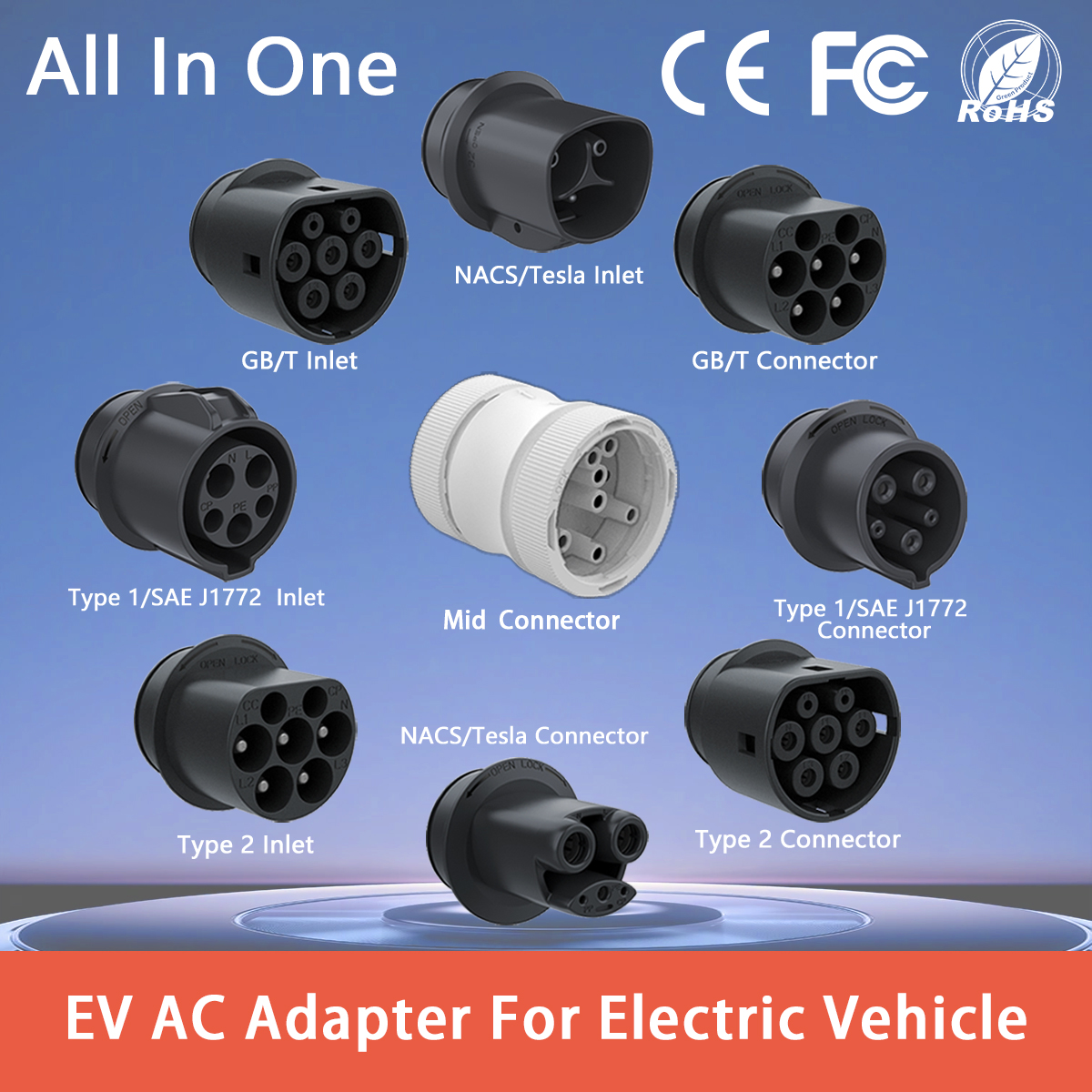
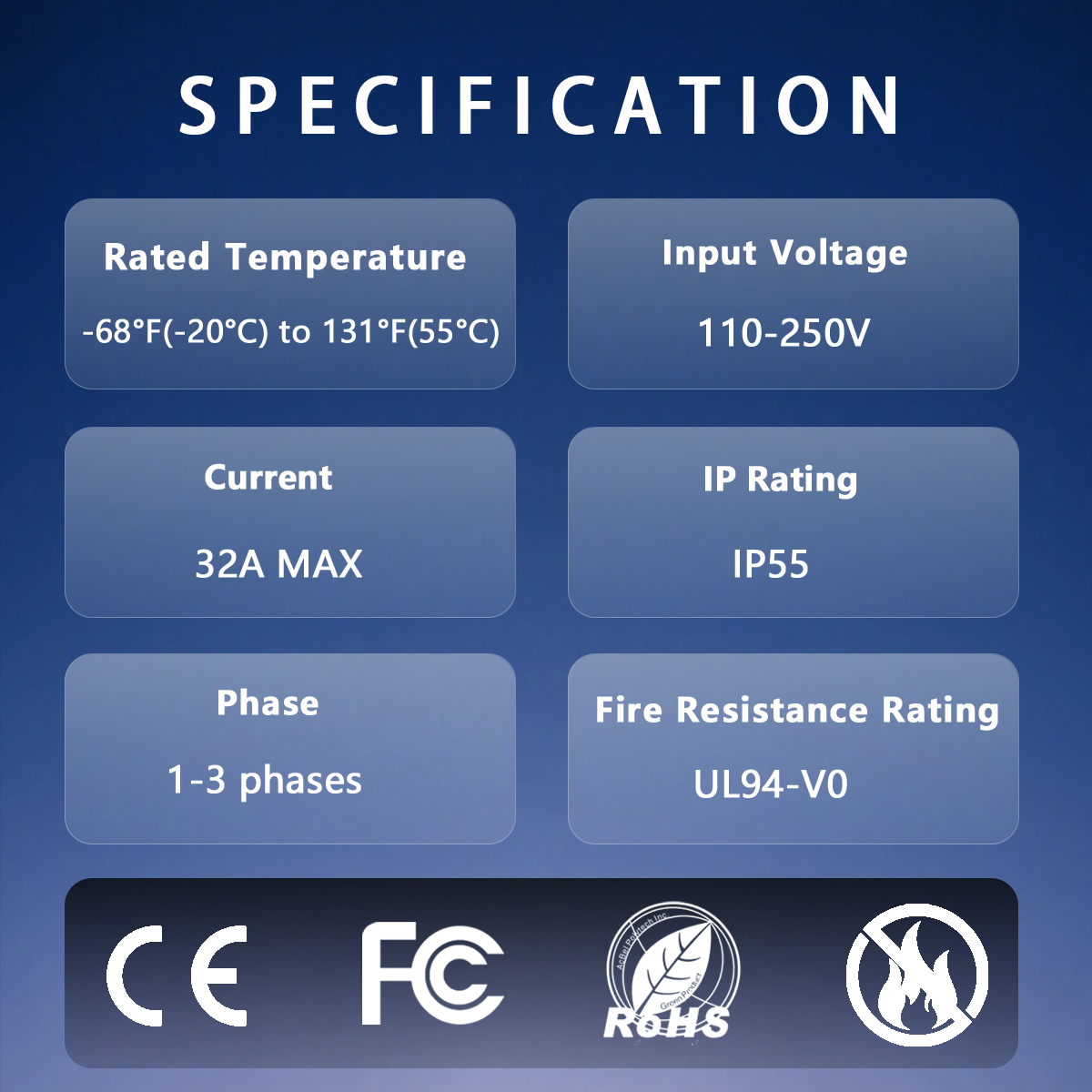
As electric vehicles (EVs) become a staple on roads across Europe and North America, a lingering concern persists among drivers: Is charging truly safe? Recent data from the International Energy Agency (IEA) reveals that 62% of global EV charging incidents stem from insufficient protection mechanisms, with overload-related fires topping the list . For consumers navigating this growing market, the solution lies in a critical component often overlooked—the overload protection charger.
The Hidden Risks of Unprotected Charging
Grid fluctuations, especially during peak hours, pose significant threats to unprotected charging setups. In the U.S., the Occupational Safety and Health Administration (OSHA) notes that uncertified chargers are 3.5 times more likely to malfunction under voltage spikes . Similarly, Europe’s EN 50620 standard emphasizes that unregulated current flow can degrade battery life and trigger thermal runaway—a risk amplified by the continent’s 28% annual growth in EV adoption . These statistics underscore why relying on basic chargers without safeguards is a gamble.
Enter the overload protection charger: a device engineered to monitor current levels in real time. When power surges exceed safe thresholds, it triggers an immediate shutdown—typically within 5 milliseconds for advanced models . This rapid response prevents overheating and short circuits, addressing the root cause of most charging accidents. Unlike generic alternatives, certified overload protection chargers adhere to strict regional standards: UL 2594 for North America and CE marking (LVD/EMC directives) for the EU .
Why Certification Matters for Consumers
For discerning buyers, third-party validation is non-negotiable. The U.S. Insurance Institute for Highway Safety (IIHS) recommends only chargers that pass rigorous overload testing, as these devices reduce insurance claims by 40% . In Europe, the IEC 61851-1:2021 standard mandates overload protection for all public charging stations, a requirement enforced by the EU’s Alternative Fuels Infrastructure Regulation (AFIR) .
Authoritative platforms like the China New Energy Vehicle Safety Information Platform (CNESTA) further validate this technology. Their NESTA 2025 verification system, which evaluates charging safety across six dimensions, consistently ranks overload protection chargers as a top safety feature for EVs . For consumers seeking reliable products, cross-referencing CNESTA’s database (https://www.cnesta.com.cn/) with regional certifications ensures compliance and peace of mind. Making the Switch: A Smart Investment
Transitioning to an overload protection charger is an investment in long-term safety. While basic chargers may cost less upfront, the average fire-related repair for EVs exceeds $15,000—far more than the premium for a certified device . Leading manufacturers now integrate these chargers with smart features, such as app alerts and remote diagnostics, aligning with the tech-savvy preferences of drivers.
In the journey toward sustainable mobility, safety should never be compromised. With an overload protection charger, drivers can plug in with confidence—knowing their vehicle and home are shielded from harm.