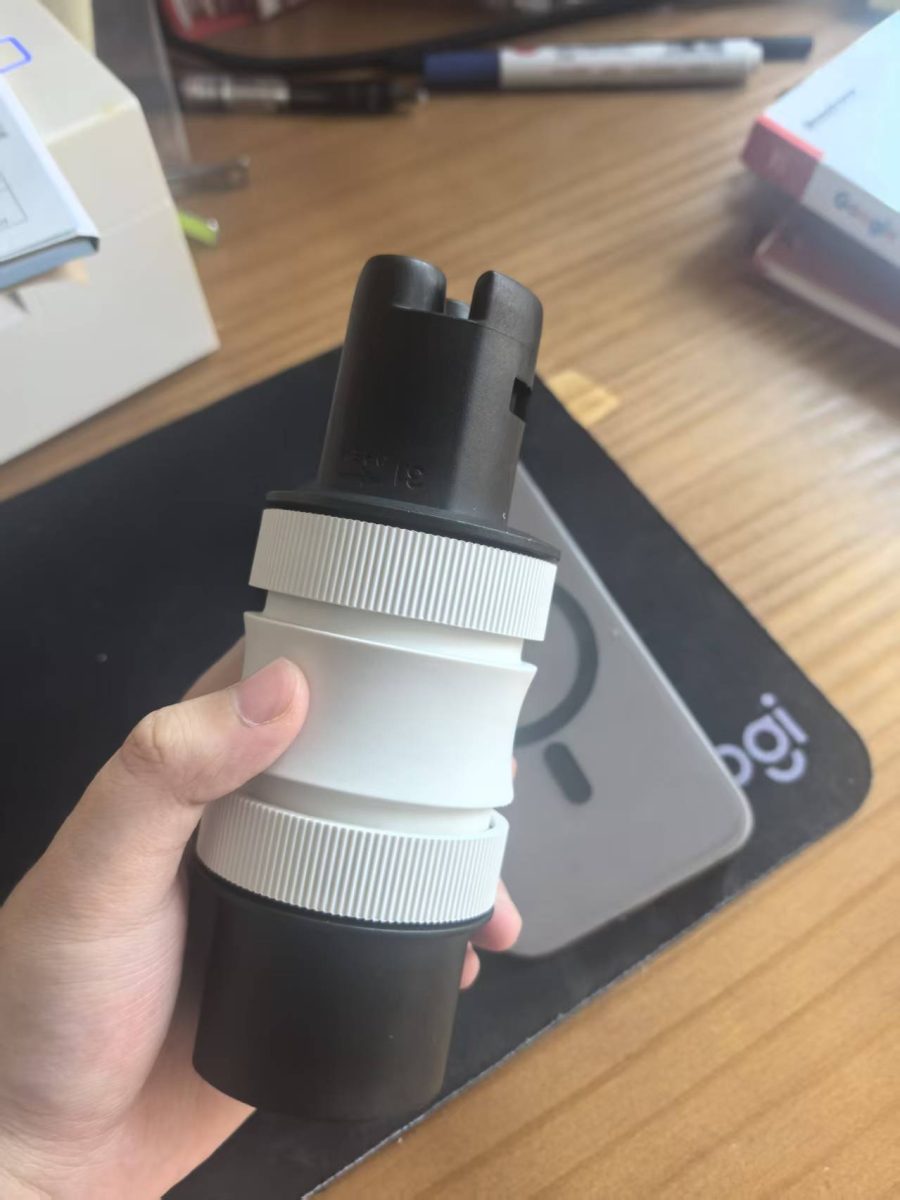
1. Typical Lifespan of an EV Charging Adapter: When to Plan a Replacement?
There’s no one-size-fits-all answer, but most quality adapters last 1.5 to 3 years—depending on usage, environment, and build quality. Here’s how it breaks down by scenario:
For Home Use (e.g., Wall-Mounted Adapters)
Home adapters are used 1–2 times daily in a controlled indoor environment (no extreme weather). If you choose UL-certified or IEC-compliant brands (e.g., Tesla OEM, ChargePoint, Anker PowerCore), they can last 2.5 to 3 years with proper care. UL, as the first globally recognized IECQ-accredited lab for USB power standards, sets rigorous testing criteria that ensure certified adapters resist wear and corrosion. Even low-use models should get a safety check after 3 years—internal wiring ages over time, even if unused. For On-the-Go Use (e.g., Portable Car-Mounted Adapters)
Portable adapters face harsher conditions: summer heat (over 140°F/60°C in cars), winter cold (below 32°F/0°C), constant jostling, and frequent plugging/unplugging. They typically last 1.5 to 2 years.
Public charging adds more stress: adapters connect to different chargers with varying current stability, which accelerates wear. Cheap unbranded adapters (common on Amazon Marketplace) may fail in under a year—many cut corners with non-flame-retardant plastic or unplated copper terminals. Amazon explicitly requires EV charging accessories to meet UL safety standards (e.g., UL 2089 for car chargers) to avoid fire risks, yet uncertified products still slip through. Key Material Impact:
- High-quality adapters use flame-retardant ABS+PC plastic (resists heat/cracking) and nickel-plated copper terminals (fights corrosion). These last 50% longer than low-grade alternatives.
- Avoid adapters without certification labels (UL, CE, TÜV)—they’re more likely to short-circuit or overheat, as confirmed by safety audits from organizations like UL.
2. 3 Clear Signs to Replace Your Adapter Immediately
Don’t wait for an adapter to stop working entirely—these red flags mean it’s already a safety risk:
① Physical Damage to the Port: Cracks, Warping, or Rusty Terminals
This is the easiest sign to spot. If the adapter’s port has cracks (especially where it connects to the charger), or the metal terminals inside are black, rusted, or bent—stop using it right away.
Cracks let water/dust seep in (a fire hazard), while corroded terminals increase resistance. This causes overheating during charging, which can damage your EV’s charging port or even the battery. Such risks align with findings from the U.S. Department of Energy (DOE), which notes that physical wear is a primary precursor to charging system failures. ② Unusual Heat or Strange Noises While Charging
Normal operation causes mild warmth (under 104°F/40°C—safe to touch). But if your adapter gets too hot to hold (over 122°F/50°C) within 10 minutes of charging, or you hear a “hissing” sound—this means internal wiring is shorting or components are failing.
③ Frequent Charging Cuts: It Keeps Disconnecting
If charging stops every 10 minutes (even after switching chargers or checking your EV’s port), the adapter is the problem. Loose internal wires or a faulty chip cause inconsistent current flow.
This doesn’t just delay charging—it harms your battery. Fluctuating current wears down lithium-ion cells over time, reducing your EV’s range by 5–10% after a year of regular use. Grid operators like Germany’s Netze BW, which studies EV charging behavior, confirm that unstable power flow from faulty adapters exacerbates battery degradation. 3. 3 Tips to Extend Your Adapter’s Life
Small habits make a big difference in longevity:
① Store It in a Soft Pouch (No Metal Items!)
Keep portable adapters in a padded bag (e.g., a neoprene phone case works) to avoid scratches. Never toss it in a glove box with keys, coins, or charger plugs—metal scrapes damage terminals, and sharp objects crack the plastic.
Don’t bend the cable tightly at the port (the weakest spot). Coil it loosely instead—tight bends break internal wires.
② Plug/Unplug by the Port (Not the Cable)
Pulling the cable to disconnect strains the wiring where it meets the port. Instead, hold the adapter’s body (near the port) with one hand, and the charger plug with the other—pull straight out, no twisting.
③ Clean It After Public Charging
Public chargers collect dust, dirt, and even rain. Wipe the adapter’s port with a dry microfiber cloth after use—pay extra attention to the metal terminals. If terminals look slightly dark (mild corrosion), gently polish them with a soft-bristled toothbrush (no water!).
Final Note
EV charging adapters are small, but they’re the “bridge” between your car and power. Skimping on a cheap model or ignoring warning signs risks expensive damage—or worse, a fire.
Stick to certified brands (Tesla, ChargePoint, Anker) that cost 150, and check your adapter monthly. Replacing it every 2 years (for portable use) or 3 years (for home use) is a small investment to keep your EV safe and charging smoothly. Need help choosing an adapter for your region (e.g., Type 2 for Europe, J1772 for North America)? Let us know—we’ve tested the top models for every market!