Welcome to Evolado Store

Genuine or Fake? How to Avoid Buying the Wrong Charging Adapter—Check These 2 Certifications First

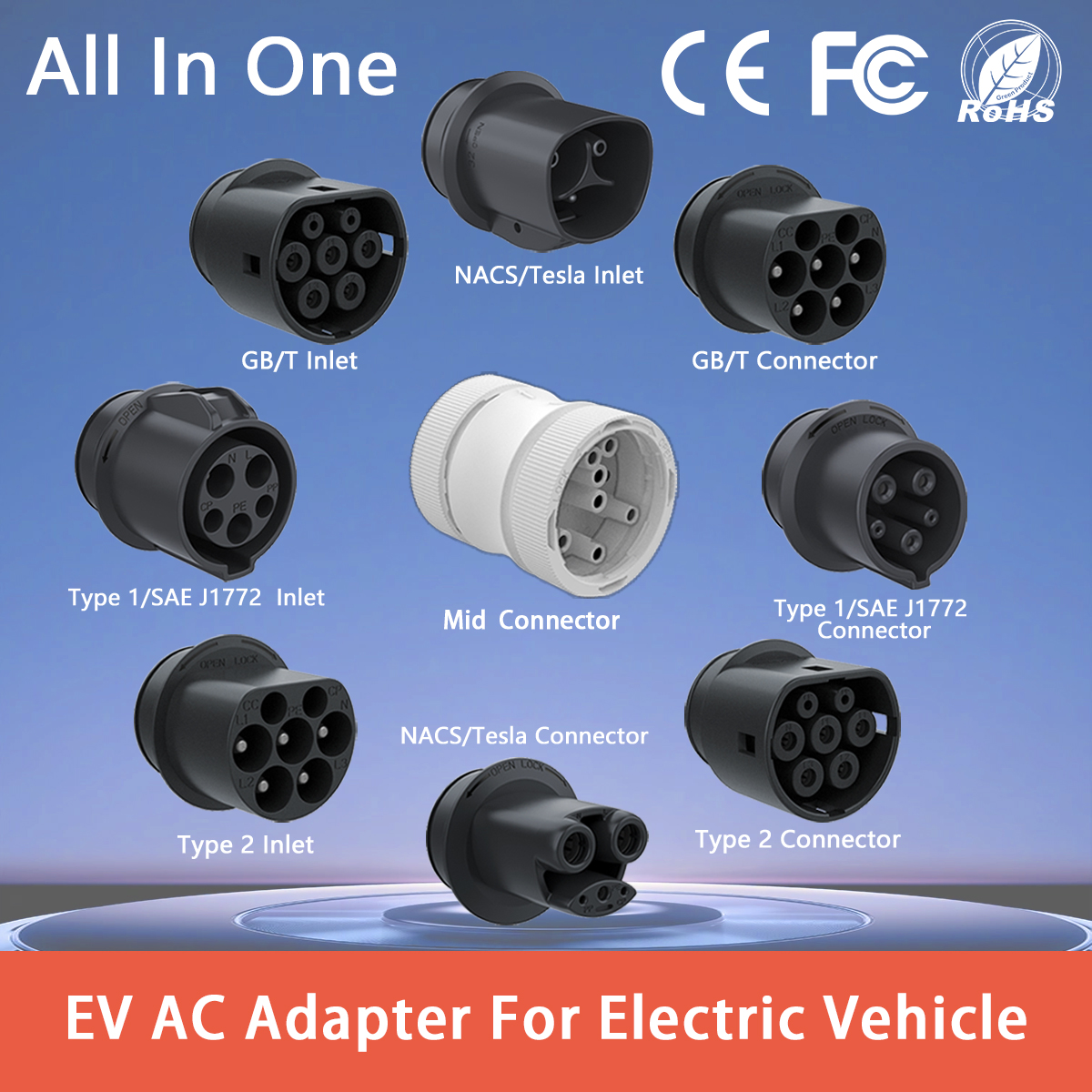
one set=12 Kits ev adapters?

The Super Charging Adapter You’ve Never Seen Before

1. The Hidden Risks of Uncertified Charging Adapters
For customers in Europe and North America, uncertified new energy charging adapters are not just a “quality issue”—they may violate local electrical safety regulations, fail to pass customs inspections, or even cause short circuits, overheating, or damage to your electric vehicles (EVs) or charging equipment. With the booming EV market, counterfeit adapters that mimic brand designs but skip safety tests are becoming more common. The key to avoiding these risks? Focus on region-specific safety certifications.
2. Certification 1: CE Mark (Mandatory for Europe)
What is the CE Mark?
The CE Mark is a mandatory safety certification for electrical and electronic products sold in the European Economic Area (EEA), including all EU member states, Norway, Iceland, and Liechtenstein. For charging adapters, it indicates compliance with two core EU directives:
  • Low Voltage Directive (LVD, 2014/35/EU): Ensures the adapter’s voltage, current, and insulation meet safety standards to prevent electric shocks.
  • Electromagnetic Compatibility (EMC, 2014/30/EU): Guarantees the adapter won’t emit excessive electromagnetic interference (EMI) that disrupts other devices (e.g., EV control systems) and can resist external interference.
Why It Matters: Certified vs. Uncertified

Aspect

CE-Certified Adapters

Uncertified Adapters

Safety

Undergo rigorous testing (e.g., high-temperature resistance, flame-retardant materials)

Often use cheap, low-quality components (e.g., thin wires, uninsulated connectors) that may melt or catch fire.

Compliance

Smooth customs clearance in the EEA; legal to sell and use.

Risk of being seized by EU customs; using them may violate local laws.

Durability

Tested for long-term use (e.g., 10,000+ plug-in cycles).

Prone to wire fraying, connector loosening, or failure after a few months.

How to Verify the CE Mark
  • Check the Mark Details: A valid CE mark is a uppercase “CE” (each letter 5mm+ in height for small adapters), often accompanied by the Notified Body Number (e.g., “CE 0123”)—this number links to the third-party lab that conducted the testing. If there’s no Notified Body Number, it may be a “self-declared” mark (less reliable for high-risk products like charging adapters).
3. Certification 2: UL Certification (Trustworthy for North America)
What is UL Certification?
UL (Underwriters Laboratories) is a leading independent safety certification organization in North America (recognized in the U.S. and Canada). For charging adapters, the most relevant standard is UL 2251—specifically designed for “Power Units for Electric Vehicle Supply Equipment (EVSE).” This certification covers:
  • Protection against overcurrent, overvoltage, and short circuits.
  • Mechanical safety (e.g., connector strength, resistance to impact).
  • Environmental durability (e.g., resistance to extreme temperatures, humidity, and UV rays—critical for outdoor charging).
Why It Matters for U.S. & Canadian Customers
  • Market Access: Major retailers in the U.S. (e.g., Amazon, Best Buy) and Canada (e.g., Canadian Tire) require UL certification for charging adapters. Without it, products can’t be listed or sold.
  • Insurance & Liability: If an uncertified adapter causes property damage or injury, your insurance may deny claims. UL-certified products reduce this risk.
How to Spot a Genuine UL Mark
  • Look for the Full Logo: A valid UL mark includes the word “UL” (not just a similar symbol) and may have additional codes (e.g., “UL Listed” for complete products, “UL Recognized” for components like wires).
  • Verify via UL Database: Go to UL’s Product iQ portal (https://iq.ul.com/) and enter the adapter’s model number or UL file number (found near the mark) to confirm certification status.
4. Additional Tips for European & North American Buyers
For Europe:
  • Check for Type 2 Connectors: Most EU EVs use Type 2 plugs—ensure the adapter matches your vehicle’s port (avoid universal adapters that lack CE certification).
  • Consider TÜV Testing: While not mandatory, TÜV (a German testing body) is a trusted extra mark for quality (many CE-certified adapters also have TÜV approval).
For North America:
  • Confirm NEMA Compatibility: U.S. and Canadian outlets use NEMA standards (e.g., NEMA 5-15 for household, NEMA 14-50 for Level 2 charging)—choose an adapter that fits your common charging locations.
  • Avoid “Parallel Import” Fakes: Some adapters claim UL certification but are counterfeits—buy from authorized distributors (e.g., EV dealerships, reputable online stores like Amazon Business) instead of third-party sellers with no brand backing.
For Both Regions:
  • Prioritize Warranty Coverage: Certified adapters usually come with 1–2 year warranties (uncertified ones often have no warranty).
  • Check Temperature Ratings: Ensure the adapter works in local climates (e.g., -20°C to 50°C for European winters/summers, -30°C to 60°C for North American extremes).
5. Final Note: Safety First, Always
For European and North American customers, a charging adapter is not just an accessory—it’s a critical safety component. Skipping CE or UL certification to save money can lead to costly repairs, legal issues, or even safety hazards. Next time you shop, take 2 minutes to check the marks and verify them online—this simple step ensures you’re buying a genuine, reliable product that protects your EV and your peace of mind.